
Article: How to Read a Curly Hair Product Label Without a Chemistry Degree

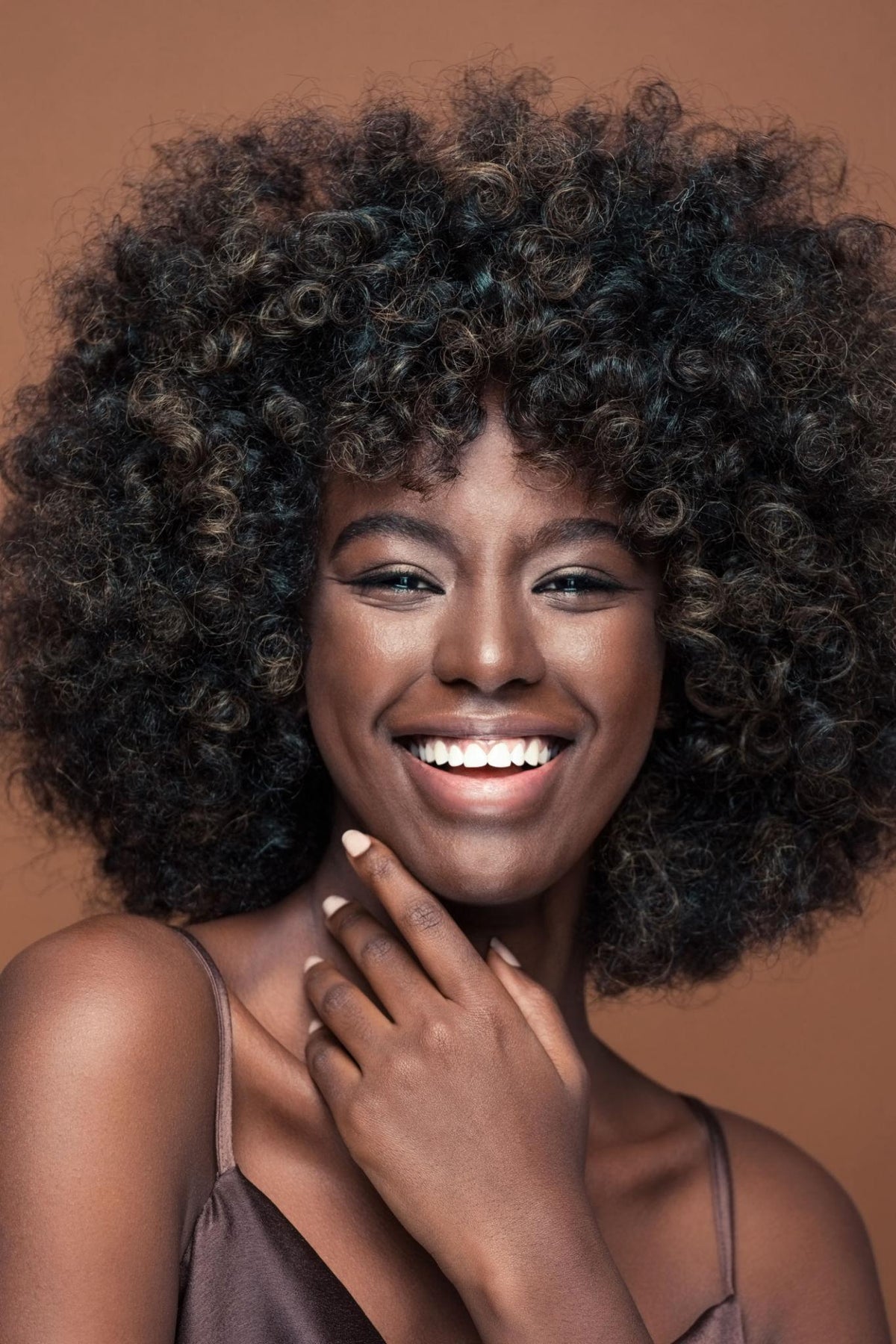
How to Read a Curly Hair Product Label Without a Chemistry Degree
Turn the bottle around. Let’s decode it.
Ever picked up a hair product, flipped it over and wondered what half the ingredients actually mean? Understanding curly hair product ingredients can feel overwhelming, especially with scientific names and promises of moisture, shine and definition.
The good news? You don’t need a chemistry degree to make informed decisions about your hair care.
Here’s how to read curly hair product labels and identify ingredients that support your curls.
1. Understanding Curly Hair Product Ingredients
Ingredients are generally listed from highest to lowest concentration. The first few listed give you an idea of what makes up much of the formula. Ingredients present at 1% or less are an exception and may appear in any order.
Instead of getting caught up in unfamiliar names, focus on what different ingredients do. Consider how they relate to your hair’s needs.
2. Understanding Ingredients That Support Conditioning and Definition
Defined curls often require a balance of moisture, softness and manageability. Some ingredients help condition strands, while others support styling.
- Safflower seed oil: An emollient that helps soften and condition hair.
- Jojoba oil: Helps smooth strands and improve manageability.
- Hydrolyzed silk: A protein-derived ingredient that helps condition hair and improve its feel.
- Coconut milk: Helps condition strands and support softness.
- Polyquaternium-11: A film-forming ingredient that supports manageability and styling.
These ingredients can contribute to softer, more manageable curls. You’ll find examples in Good Hair Conditioning Styling Crème and Thirsty Curls Leave-In Curl Revitalizer. Both support moisture and manageability but serve different purposes in a curl care routine.

3. Understanding Ingredients for Moisture and Softness
If your hair frequently feels dry, look for ingredients that help attract moisture and condition strands. These ingredients can also improve softness.
- Coconut oil: Helps condition hair and improve softness.
- Shea butter: An emollient that helps smooth strands.
- Honey: A humectant that helps attract moisture.
- Olive oil: Helps condition hair and improve manageability.
- Cetearyl alcohol: A fatty alcohol that helps soften hair.
And yes, not all alcohols are drying! Fatty alcohols are commonly used in moisturizing conditioners and creams.
These ingredients appear across products such as Extra Butter Curl Forming Crème, Supercurl Miracle Moisture Crème and Midnite Train Leave-In Conditioner.

"because understanding your curls is just as important as styling them."
4. Understanding Ingredients for Volume and Hold
Some hairstyles need more than moisture. Styling ingredients can help maintain shape, improve texture and support lasting definition.
- Polyquaternium-55: A film-forming polymer that supports styling hold.
- PVP: A styling ingredient that helps hair maintain its shape.
- Hydrolyzed quinoa: A protein-derived conditioning ingredient.
- Hydrolyzed keratin: Helps improve hair’s feel and manageability.
- Silk amino acids: Protein-derived ingredients used to condition hair.
You’ll find examples of these ingredients in Soul Bounce Texture Defining Mousse and Heal & Renew Intensive Hair Masque. Although these products serve different purposes, they illustrate how styling and conditioning ingredients contribute to a hair care routine.

5. Choose Ingredients Based on Your Hair’s Needs
Not every curly hair product serves the same purpose.
Need more moisture? Look for humectants like glycerin and honey.
Want softer strands? Consider conditioning ingredients like shea butter and fatty alcohols.
Looking for definition and hold? Pay attention to styling polymers and the product’s intended use.
Remember, one ingredient doesn’t determine how a product performs. The complete formula and your hair’s individual needs matter.
Choosing the right products is only part of the process. Your styling technique matters, too. Explore our guide to two-strand twists and flat twists for tips on preparation and definition.
A quick reminder: Just because an ingredient is natural doesn’t mean it’s right for everyone. Pay attention to how your hair and scalp respond to different products. This is especially important if you have known allergies or sensitivities. Understanding the full formula is just as important as recognizing individual ingredients.
Know Your Ingredients, Know Your Curls
Understanding curly hair product ingredients can help you make more informed decisions about your natural hair care routine.
The next time you reach for a product, turn the bottle around. Take a moment to understand what’s inside. Consider how those ingredients might support your hair.
You don’t have to memorize every scientific name. Knowing what to look for is a great place to start.
Because understanding your curls is just as important as styling them.
Leave a comment
This site is protected by hCaptcha and the hCaptcha Privacy Policy and Terms of Service apply.